Someone
from somewhere
Purchased Wicca Magazine
just now

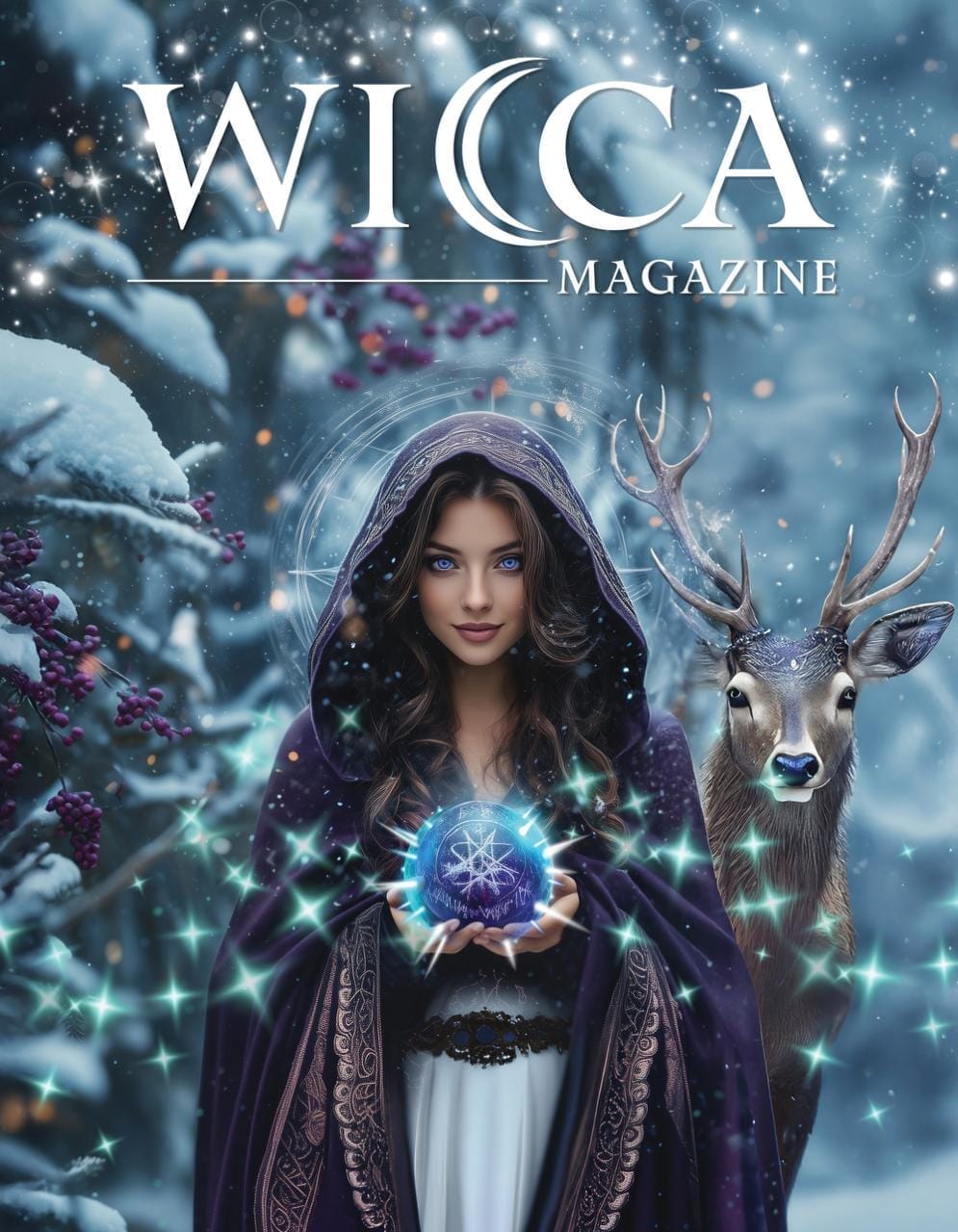
Unlock the Magick of Yule! - Your Wicca Magazine Issue Awaits
Step into the season of light with Wicca Magazine. Each digital issue is a sacred offering of spells, rituals, and Wiccan wisdom — honoring ancient paths and empowering your modern magick. Your craft, your journey, your magickal sanctuary.
Almonds are edible fruit-bearing trees indigenous to modern-day Iran, North Africa, and the Mediterranean. The fruit, also called an almond, resembles a plum with a fleshy exterior containing a single seed. It belongs to the genus Prunus and subgenus Amygdalus.
The word almond is derived from the Latin word amandula and the ancient Greek amygdale in reference to the amygdala, an almond-shaped area of the human brain.
Generally, almond fruit is picked when they split open to expose the inner seed and then left to dry. The green fruit is edible before breaking open but must be eaten when fresh.
Archaeological evidence indicates humans began cultivating almonds as far back as 3000 BCE. However, further evidence suggests that almonds were being used for food and their oil more than 12,000 years ago.
Today, almonds are still highly prized and loved in food, cakes, desserts, non-dairy alternatives, and beauty and health products. We’ll take a look at almonds’ health benefits, history, lore, and magickal properties.
Health Benefits
Nutrient-rich almonds contain various minerals, vitamins, and healthy fats that benefit your health. They have natural antioxidant and anti-inflammatory properties as well.
Almonds contain:
calcium
fiber
folate
iron
magnesium
phosphorus
potassium
protein
vitamin B
vitamin E
zinc
Research indicates including a quarter cup of almonds in your daily diet can:
improve heart health
strengthen bones
increase skin elasticity
boost the immune system
maintain gut health
regulate weight
Almond History and Lore
Almonds are the first trees to awaken after winter and herald spring. They blossom in January and bear fruit in March, earning them the name “the wakeful tree.”
Trade in almonds was big business in Europe in the Middle Ages. The value of almonds was being discovered, and almond dishes, puddings, oils, butters, and medicinal products were very popular.
The Persian god Attis was said to have been born from an almond tree. In Persian mythology, Attis was surrounded by eunuch priests and was the god of fruits of the earth, representing birth, death, and rebirth in spring.
Greek mythology tells of the beautiful princess Phyllis who was left at the altar on her wedding day by Demophon. Heartbroken, she waited for years for him to return. Eventually, the gods ended her pain by turning her into an almond tree. A while later, Demophon returned to find a bare almond tree where Phyllis was waiting. In angst, he threw his arms around the tree, which instantly burst into bloom. From then on, the almond tree represented hope.
The ancient Greeks associated almonds with prosperous travel. Almonds were eaten before a journey to foretell its success. If the almonds were sweet, it was a good omen; if they were bitter, the trip should be postponed or abandoned.
In old Germanic folktales, the knight and poet Tannhauser, who courted the goddess Venus and traveled through many countries, carried an almond staff. When he returned to Rome and atoned for his sins, the dry, worn staff burst into bloom, signifying atonement and transformation.
It’s a common tradition across the Middle East to give almonds in uneven numbers as a token of happiness and good luck at christenings, weddings, and rite of passage ceremonies.
Almonds featured strongly as tokens of good luck across Europe too.
In Germany, the bride and groom were given five almonds for a happy marriage, fertility, and financial security. While in Eastern Europe, wedding guests wore sprigs of almonds to wish the couple well. Honeyed almonds were served at Greek weddings to symbolize a partnership with more joy than sorrow.
Scandinavians also associate almonds with good luck. A Christmas dinner custom is to serve rice pudding containing a single whole almond. Whoever gets the serving containing the almond will have good fortune throughout the coming year.
Magickal Properties
Almond is ruled by the air element, has masculine energy, and is associated with the planet Mercury.
Every part of the almond tree, including the leaves, fruit, and roots, can be used in magick spells and rituals and carried as an amulet for various outcomes. Whether used as a topical oil, food, drink, incense, or correspondence, harnessing the almond’s power strengthens intentions and enhances results.
Beltane and almonds make excellent companions for celebrating the living world and all of nature in completion.
Use the almond in spells and rituals for:
attracting wealth and prosperity
binding a happy family
drawing good luck
faithfulness in marriage
fertility
overcoming addiction
protection
securing lasting love
vitality and youthfulness
Exploring the mystical path of Wicca with every turn of the page. Join us in celebrating the wheel of the year.
Support@WiccaMagazine.com
Newsletter
Unlock the Secrets of the Craft: Subscribe now to receive exclusive content, seasonal rituals, and magickal insights directly to your inbox.
© 2025 Wicca Magazine - All rights reserved.


Unlock the Secrets of the Craft:
Subscribe now to receive exclusive content, seasonal rituals, and magickal insights directly to your inbox.
© 2025 Wicca Magazine - All rights reserved.